
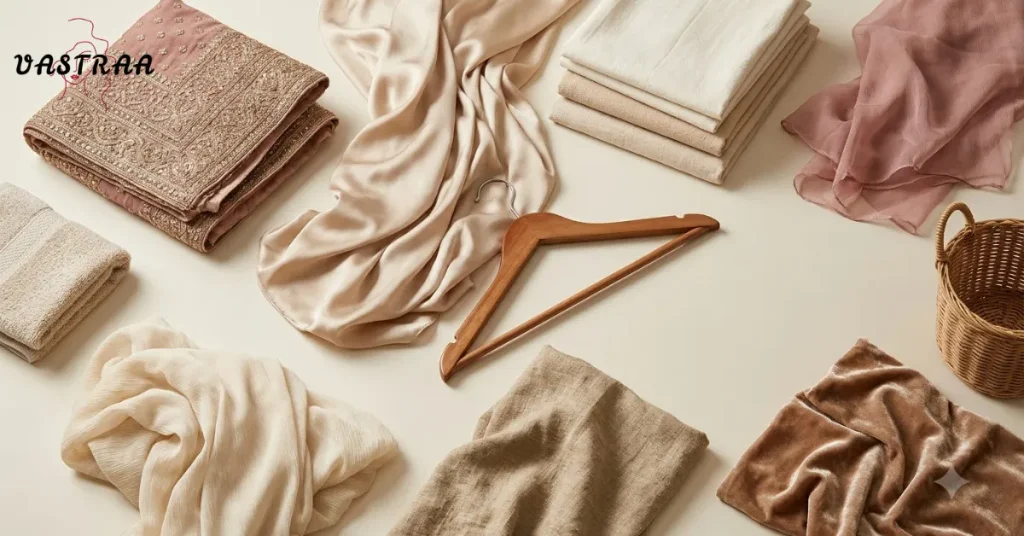
Taking proper care of clothes is an important part of maintaining a stylish and long-lasting wardrobe. Different fabrics have different textures, qualities, and cleaning requirements. While cotton is generally easy to wash, delicate materials such as silk, chiffon, velvet, and georgette may require extra attention.
Washing clothes incorrectly can affect their colour, texture, shape, and overall appearance. Using the right washing method, detergent, drying technique, and storage practices can help keep your favourite outfits looking fresh for longer.
Whether you wear traditional Indian clothing, everyday casual outfits, or elegant Western dresses, understanding fabric care can help you maintain your wardrobe more effectively.
In this guide, we will explore how to wash and maintain different types of clothing fabrics, along with useful tips for keeping your clothes clean, fresh, and in good condition.
1. Cotton: Easy to Wash and Maintain
Cotton is one of the most commonly used fabrics in women’s clothing. It is breathable, comfortable, and suitable for everyday wear, especially in warm weather. Cotton is widely used in kurtis, shirts, dresses, salwar suits, and casual outfits.
How to wash cotton clothes:
- Check the care label before washing.
- Separate white, light-coloured, and dark-coloured clothes.
- Use a mild detergent suitable for the fabric.
- Wash with cold or lukewarm water according to the care instructions.
- Avoid excessive washing or harsh treatment.
- Dry cotton clothes properly to prevent unwanted odours.
Maintenance tips:
Cotton garments can sometimes shrink or wrinkle, so follow the recommended washing temperature. Avoid leaving damp cotton clothes in a washing machine for long periods. Iron them according to the care label to maintain a neat appearance.
2. Silk: Handle Delicate Fabrics Carefully
Silk is a luxurious fabric known for its smooth texture, natural shine, and elegant appearance. It is commonly used in sarees, festive suits, scarves, blouses, and special-occasion dresses.
Silk requires careful handling because incorrect washing methods may damage its fibres or affect its finish.
How to wash silk clothes:
- Always read the garment’s care label first.
- Prefer professional dry cleaning when the label recommends it.
- If hand washing is permitted, use cold water and a detergent specifically suitable for silk.
- Avoid rubbing, twisting, or wringing the fabric.
- Rinse gently if the care instructions allow it.
- Press out excess water carefully using a clean towel.
Maintenance tips:
Store silk garments in a clean, dry place. Avoid direct sunlight for long periods because it may affect the colour. Keep embroidered or embellished silk outfits carefully folded or stored with suitable garment protection.
3. Chiffon: Protect Its Lightweight Texture
Chiffon is a lightweight, flowing fabric often used in sarees, dupattas, dresses, scarves, and elegant tops. It creates a soft and graceful appearance but can be delicate depending on its fibre composition.
How to wash chiffon clothes:
- Check whether the garment is made from silk chiffon or synthetic chiffon.
- Follow the care label for the correct cleaning method.
- Use gentle hand washing only when permitted.
- Choose a mild detergent suitable for the fabric.
- Avoid rough rubbing and twisting.
- Do not use high heat while drying or ironing.
Maintenance tips:
Store chiffon garments carefully to avoid snagging. Keep them away from rough accessories, sharp objects, and heavily embellished clothing. Use a low-temperature iron only when the care label allows it.
4. Georgette: Maintain Its Flowing Appearance
Georgette is a lightweight fabric with a slightly textured surface. It is popular for sarees, kurtis, dresses, dupattas, and party wear because of its graceful drape.
Georgette may be made from different fibres, including silk and synthetic materials, so its washing requirements can vary.
How to wash georgette clothes:
- Check the fabric composition and care label.
- Use professional cleaning when recommended.
- Hand wash gently only if the garment instructions permit it.
- Use a mild detergent and avoid harsh chemicals.
- Do not wring or twist the garment.
- Allow it to dry according to the care instructions.
Maintenance tips:
Hang or fold georgette garments carefully to prevent unnecessary creasing. Keep embroidered georgette outfits separate from rough fabrics to protect their decorative details.
5. Linen: Keep the Fabric Fresh and Neat
Linen is a breathable natural fabric commonly used in summer shirts, trousers, dresses, kurtis, and relaxed everyday outfits. It is known for its comfortable feel and slightly textured appearance.
Linen naturally wrinkles, which is part of its characteristic look.
How to wash linen clothes:
- Read the care label before washing.
- Separate linen garments according to colour.
- Use a gentle detergent.
- Wash with the temperature recommended on the label.
- Avoid overcrowding the washing machine.
- Remove clothes promptly after washing.
Maintenance tips:
Iron linen garments while slightly damp if the care label permits it. Use the recommended heat setting and store clothes in a clean, dry wardrobe. Avoid harsh washing methods that may weaken the fibres.
6. Velvet: Give Extra Attention to Its Texture
Velvet is a rich fabric often used in winter outfits, festive dresses, blouses, jackets, and traditional occasion wear. Its soft surface gives garments a luxurious appearance.
However, velvet can be sensitive to pressure, moisture, and incorrect cleaning methods.
How to wash velvet clothes:
- Check the care label carefully.
- Use professional dry cleaning when recommended.
- Do not put delicate velvet garments in a washing machine unless the label specifically permits it.
- Avoid rubbing or pressing the pile.
- Follow the manufacturer’s instructions for stain removal.
Maintenance tips:
Store velvet garments without placing heavy objects on top of them. Use suitable hangers when recommended and keep the fabric away from excessive moisture. Avoid ironing directly on the velvet surface.
7. Rayon: Wash Gently to Maintain Its Shape
Rayon is a soft fabric used in kurtis, dresses, tops, trousers, and casual ethnic wear. It often has a smooth texture and a comfortable drape.
Some rayon garments can become weaker when wet, so careful washing is important.
How to wash rayon clothes:
- Check the care label for washing instructions.
- Use hand washing or professional cleaning as recommended.
- Choose a mild detergent.
- Avoid twisting or wringing the garment.
- Handle wet rayon carefully.
- Dry it according to the instructions on the label.
Maintenance tips:
Avoid stretching rayon garments while they are wet. Store them neatly after they are completely dry. Use the recommended ironing temperature to protect the fabric.
8. Polyester and Synthetic Fabrics: Simple Everyday Care
Polyester and other synthetic fabrics are widely used in Western dresses, tops, trousers, sportswear, and everyday clothing. They are often selected because they are lightweight and relatively easy to maintain.
However, different synthetic blends may have different care requirements.
How to wash synthetic clothes:
- Separate garments according to colour.
- Use a suitable mild detergent.
- Follow the recommended washing temperature.
- Avoid excessive heat during washing and drying.
- Turn printed garments inside out when the care label allows it.
- Do not overload the washing machine.
Maintenance tips:
Air-dry synthetic garments when possible and follow the recommended ironing temperature. Avoid exposing delicate synthetic materials to excessive heat, as it may affect their shape or finish.
9. How to Wash Embroidered and Embellished Clothes
Traditional Indian outfits often feature embroidery, zari work, sequins, beads, mirror work, and decorative thread details. These garments require special care because their embellishments may become loose or damaged during washing.
How to clean embroidered clothes:
- Check the garment label before choosing a cleaning method.
- Prefer professional dry cleaning for heavily embellished outfits when recommended.
- Avoid machine washing delicate embroidery.
- Never scrub directly over decorative work.
- Do not use harsh detergents or bleach.
- Follow the recommended drying and storage instructions.
Maintenance tips:
Store embroidered sarees, lehengas, suits, and blouses separately from rough garments. Use clean garment covers when appropriate and inspect delicate embellishments before storing the outfit.
10. General Tips to Keep Your Clothes Looking New
Apart from understanding individual fabrics, following a few basic clothing-care habits can help maintain your wardrobe.
Here are some useful tips:
- Read Care Labels: Always check the manufacturer’s washing and ironing instructions.
- Sort Clothes Before Washing: Separate garments by colour, fabric type, and washing requirements.
- Use Suitable Detergents: Choose detergents according to the fabric and avoid unnecessary harsh chemicals.
- Avoid Overwashing: Wash clothes when needed rather than after every brief use, where appropriate.
- Treat Stains Carefully: Follow fabric-specific stain-removal instructions instead of rubbing stains aggressively.
- Dry Clothes Properly: Use the drying method recommended for each fabric.
- Iron at the Right Temperature: Different materials require different heat settings.
- Store Clothes Correctly: Keep garments clean and completely dry before storing them.
- Protect Delicate Garments: Use suitable garment bags or protective covers where needed.
- Follow Professional Cleaning Advice: Some delicate and embellished outfits are better handled by professional cleaners.
Developing these habits can help protect your favourite clothing and make wardrobe maintenance easier.
Conclusion
Every fabric has its own qualities and care requirements. Cotton, silk, chiffon, georgette, linen, velvet, rayon, and synthetic materials all need suitable washing, drying, ironing, and storage methods.
Understanding these differences can help prevent unnecessary fabric damage and maintain the colour, texture, and appearance of your clothing. Always check the care label before washing, especially when dealing with delicate fabrics or heavily embellished outfits.
At VASTRAA, we believe that great fashion deserves thoughtful care. Whether you choose a traditional embroidered suit, a graceful saree, a comfortable cotton kurti, or a contemporary Western dress, taking proper care of your clothes helps you enjoy your favourite styles for longer.